Author: Orkpedia Editors

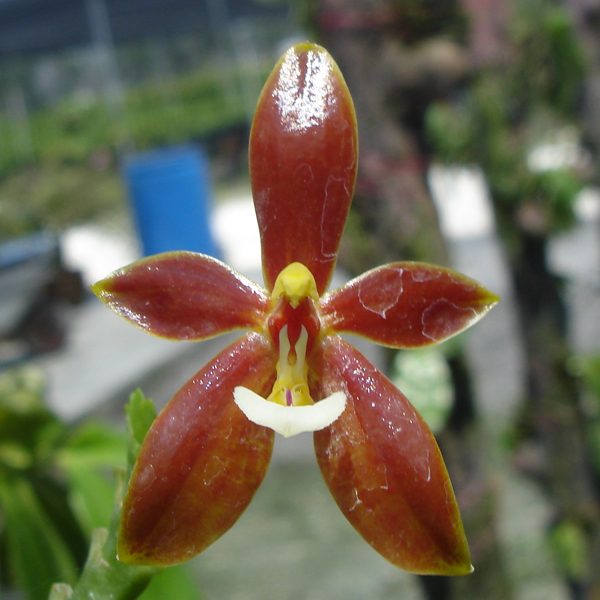
  • PS08 · Phalaenopsis cornu-cervi ‘Red’

    PS08 · Phalaenopsis cornu-cervi ‘Red’

    Flower numberPS08
    NamePhalaenopsis cornu-cervi ‘Red’
    GenusPhalaenopsis
    PropagationHybrid

    As a seed-grown hybrid, every plant raised from this cross is genetically unique, so flower colour and shape can vary from the photo.

    Bought an orchid from us? Flower number PS08 is the number on your original listing or plant tag. Look up any other number in the flower number index.

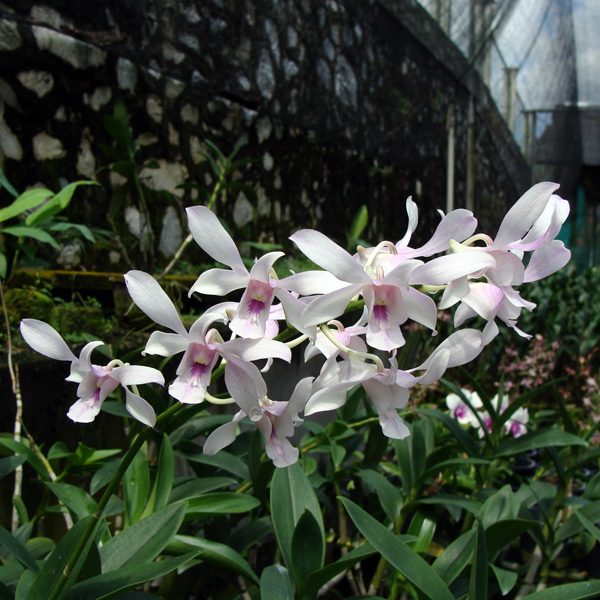
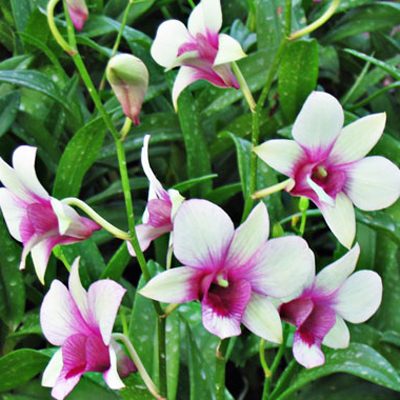
  • X546 · Dendrobium Blue Violetta & Red Maroon

    X546 · Dendrobium Blue Violetta & Red Maroon

    Flower numberX546
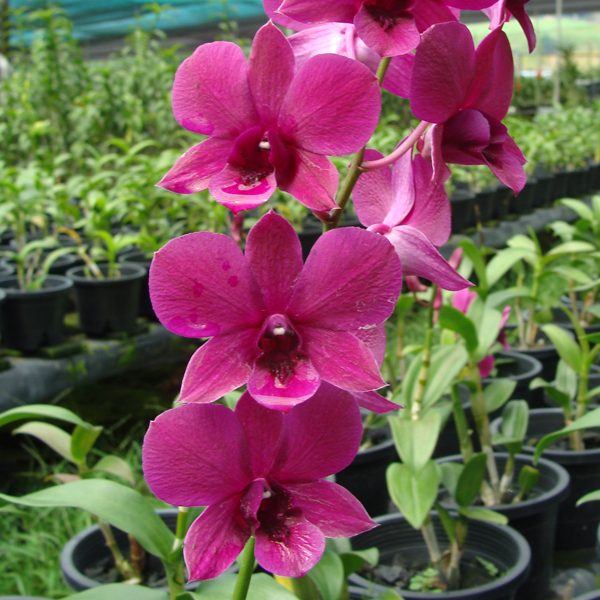
    NameDendrobium Blue Violetta & Red Maroon
    GenusDendrobium
    PropagationHybrid

    As a seed-grown hybrid, every plant raised from this cross is genetically unique, so flower colour and shape can vary from the photo.

    Bought an orchid from us? Flower number X546 is the number on your original listing or plant tag. Look up any other number in the flower number index.

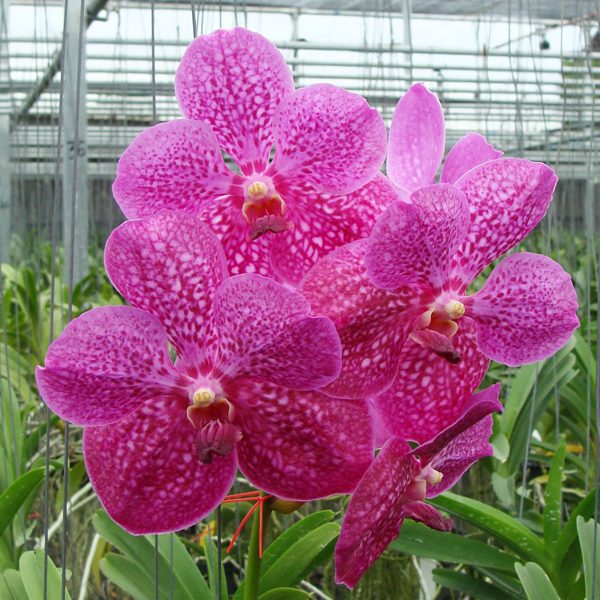
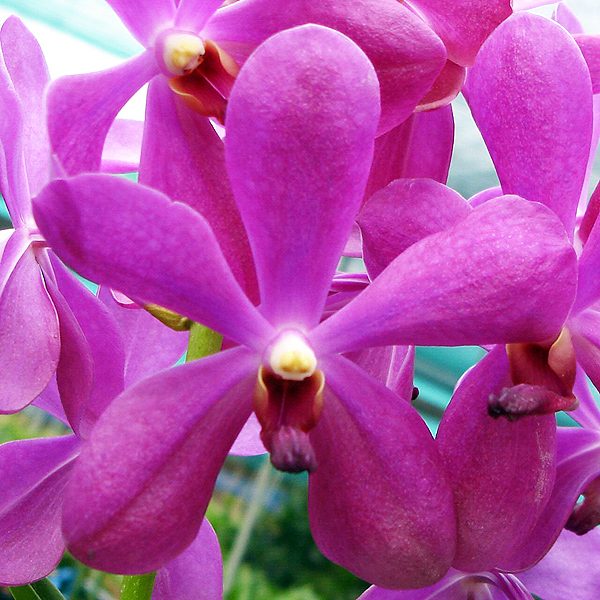
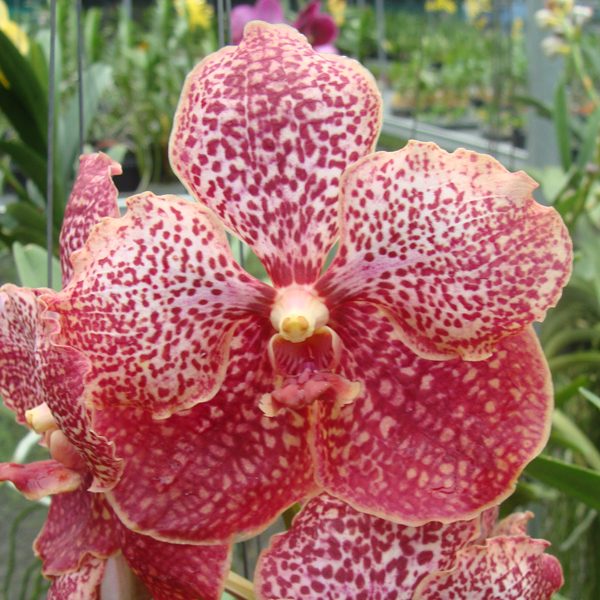
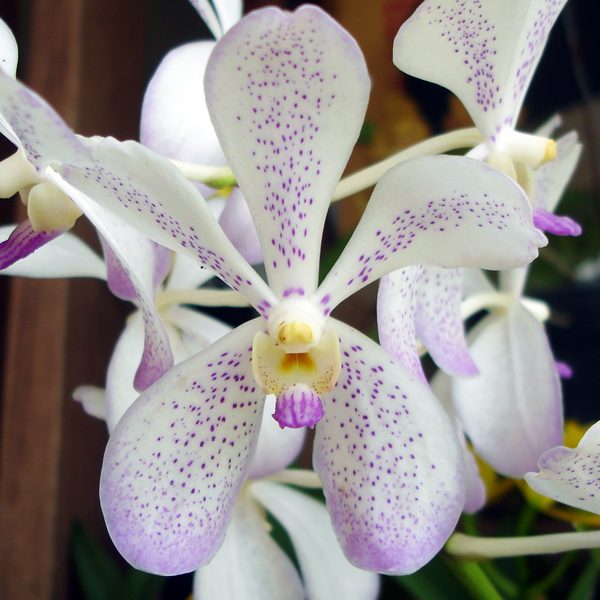
  • HV41 · Vanda Bangsai Queen Pink

    HV41 · Vanda Bangsai Queen Pink

    Flower numberHV41
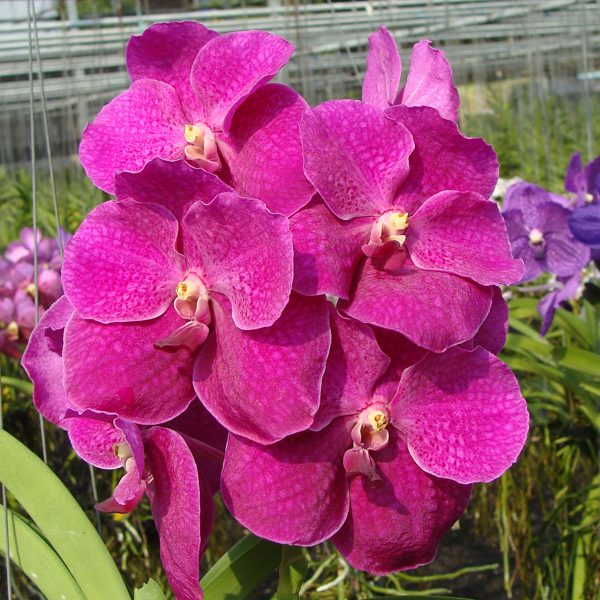
    NameVanda Bangsai Queen Pink
    GenusVanda
    PropagationMericlone (tissue culture)

    As a mericlone, every plant sold under this number is a tissue-culture copy of one selected mother plant, so its flowers should closely match the photo.

    Bought an orchid from us? Flower number HV41 is the number on your original listing or plant tag. Look up any other number in the flower number index.

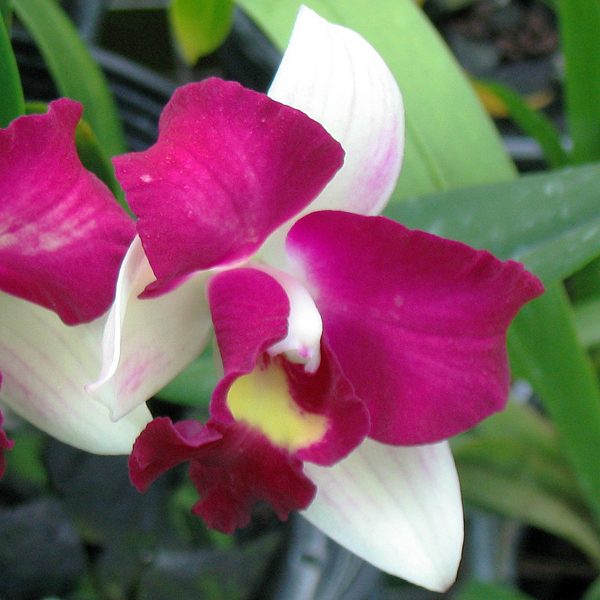
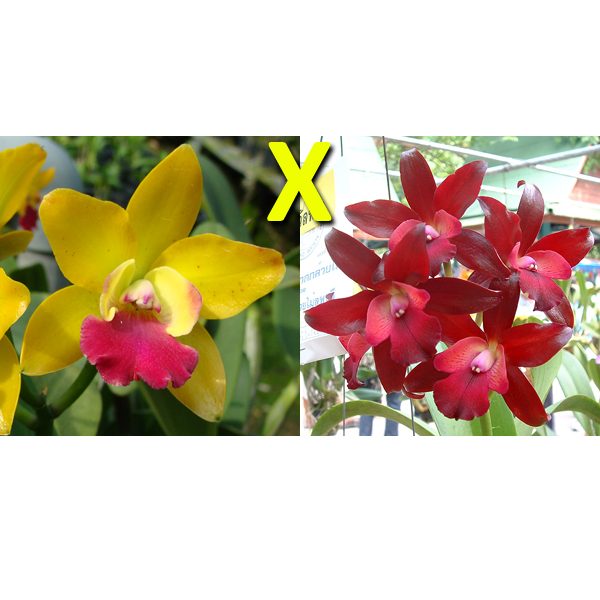
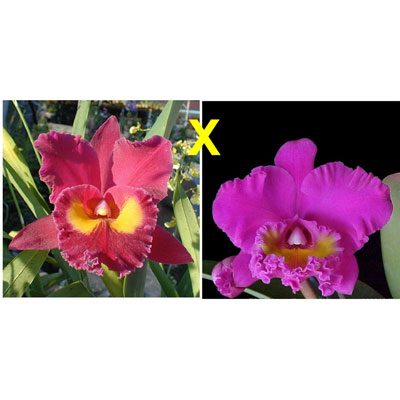
  • C259 · Cattleya Fireball Fame × Blc Lucky Strike

    C259 · Cattleya Fireball Fame × Blc Lucky Strike

    Flower numberC259
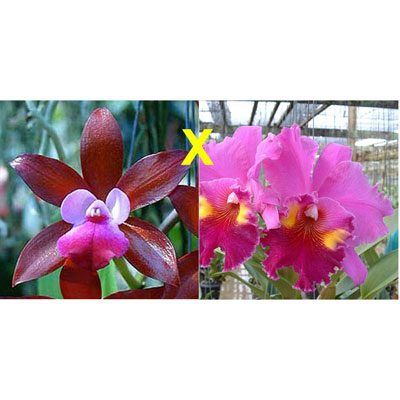
    NameCattleya Fireball Fame × Blc Lucky Strike
    GenusCattleya
    PropagationHybrid

    As a seed-grown hybrid, every plant raised from this cross is genetically unique, so flower colour and shape can vary from the photo.

    Bought an orchid from us? Flower number C259 is the number on your original listing or plant tag. Look up any other number in the flower number index.

  • HV64 · Vanda Charles Goodfellow × Vanda Bitz’s Heartthrob

    HV64 · Vanda Charles Goodfellow × Vanda Bitz’s Heartthrob

    Flower numberHV64
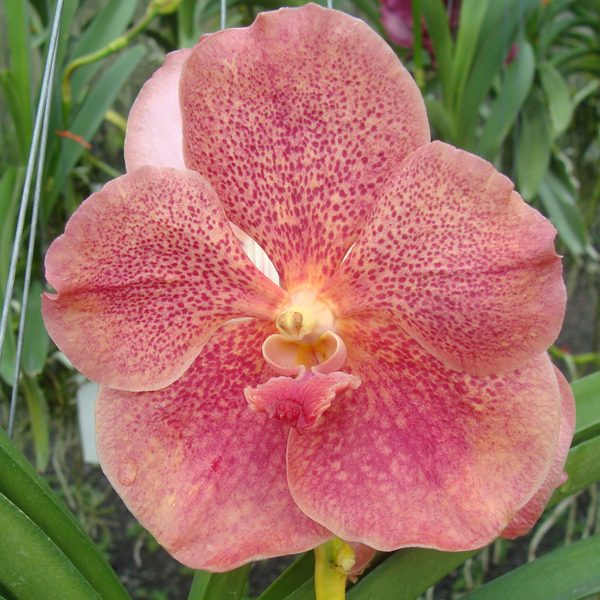
    NameVanda Charles Goodfellow × Vanda Bitz’s Heartthrob
    GenusVanda
    PropagationHybrid

    As a seed-grown hybrid, every plant raised from this cross is genetically unique, so flower colour and shape can vary from the photo.

    Bought an orchid from us? Flower number HV64 is the number on your original listing or plant tag. Look up any other number in the flower number index.

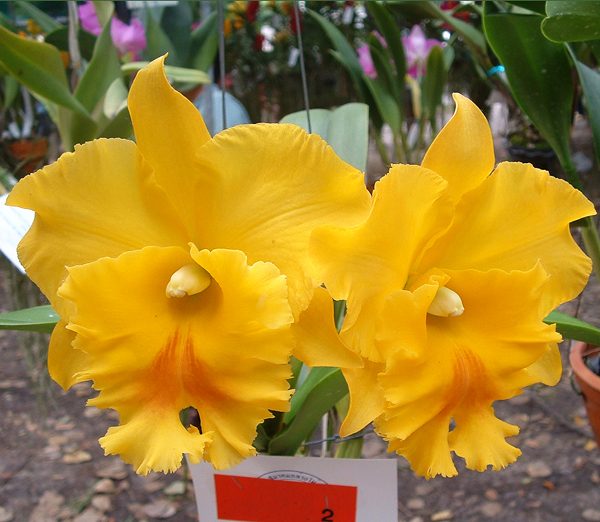
  • SC28 · Brassolaeliocattleya Haadyai Delight ‘Bangprom Gold’

    SC28 · Brassolaeliocattleya Haadyai Delight ‘Bangprom Gold’

    Flower numberSC28
    NameBrassolaeliocattleya Haadyai Delight ‘Bangprom Gold’
    GenusBrassolaeliocattleya
    PropagationMericlone (tissue culture)

    As a mericlone, every plant sold under this number is a tissue-culture copy of one selected mother plant, so its flowers should closely match the photo.

    Bought an orchid from us? Flower number SC28 is the number on your original listing or plant tag. Look up any other number in the flower number index.

  • HV11 · Vanda Bitz’s Heartthrob × Wirat Pink

    HV11 · Vanda Bitz’s Heartthrob × Wirat Pink

    Flower numberHV11
    NameVanda Bitz’s Heartthrob × Wirat Pink
    GenusVanda
    PropagationMericlone (tissue culture)

    As a mericlone, every plant sold under this number is a tissue-culture copy of one selected mother plant, so its flowers should closely match the photo.

    Bought an orchid from us? Flower number HV11 is the number on your original listing or plant tag. Look up any other number in the flower number index.

  • CH1935 · Phalaenopsis (Ho’s Little Caroline × Doritaenopsis Mount Lip) × [Doritaenopsis Taisuco Stripe × (Taisuco Gaster-Equestris)]

    CH1935 · Phalaenopsis (Ho’s Little Caroline × Doritaenopsis Mount Lip) × [Doritaenopsis Taisuco Stripe × (Taisuco Gaster-Equestris)]

    Flower numberCH1935
    NamePhalaenopsis (Ho’s Little Caroline × Doritaenopsis Mount Lip) × [Doritaenopsis Taisuco Stripe × (Taisuco Gaster-Equestris)]
    GenusPhalaenopsis
    PropagationHybrid

    As a seed-grown hybrid, every plant raised from this cross is genetically unique, so flower colour and shape can vary from the photo.

    Bought an orchid from us? Flower number CH1935 is the number on your original listing or plant tag. Look up any other number in the flower number index.

  • X448 · Dendrobium Channel

    X448 · Dendrobium Channel

    Flower numberX448
    NameDendrobium Channel
    GenusDendrobium
    PropagationMericlone (tissue culture)

    As a mericlone, every plant sold under this number is a tissue-culture copy of one selected mother plant, so its flowers should closely match the photo.

    Bought an orchid from us? Flower number X448 is the number on your original listing or plant tag. Look up any other number in the flower number index.

  • C214 · Brassolaeliocattleya Haw Yuan Beauty ‘187’

    C214 · Brassolaeliocattleya Haw Yuan Beauty ‘187’

    Flower numberC214
    NameBrassolaeliocattleya Haw Yuan Beauty ‘187’
    GenusBrassolaeliocattleya
    PropagationMericlone (tissue culture)

    As a mericlone, every plant sold under this number is a tissue-culture copy of one selected mother plant, so its flowers should closely match the photo.

    Bought an orchid from us? Flower number C214 is the number on your original listing or plant tag. Look up any other number in the flower number index.

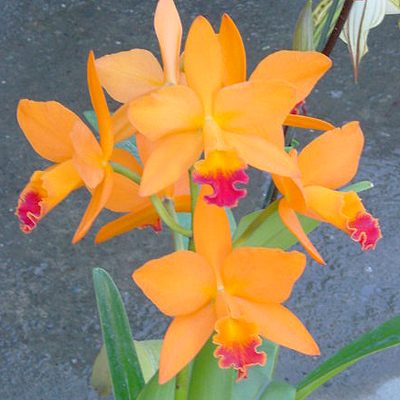
  • C348 · Laeliocattleya Loog Tone × Netrasiri Fireball

    C348 · Laeliocattleya Loog Tone × Netrasiri Fireball

    Flower numberC348
    NameLaeliocattleya Loog Tone × Netrasiri Fireball
    GenusLaeliocattleya
    PropagationHybrid

    As a seed-grown hybrid, every plant raised from this cross is genetically unique, so flower colour and shape can vary from the photo.

    Bought an orchid from us? Flower number C348 is the number on your original listing or plant tag. Look up any other number in the flower number index.

  • Singapore names an orchid hybrid for the Maldives president and first lady

    An orchid hybrid has been named after the President and First Lady of the Maldives during their visit to Singapore. The naming ceremony took place at the National Orchid Garden within the Singapore Botanic Gardens. The newly named orchid will be displayed in the garden’s “VIP Orchids” collection.

    Why This Matters to Orchid Lovers

    For those who grow or admire orchids, this gesture is more than a ceremonial honor. It reflects a living tribute where science and diplomacy meet. Orchid hybrids named after dignitaries are carefully bred and cultivated, often taking years to develop. Their inclusion in a public garden means visitors can see these unique blooms up close, connecting horticulture with international relations in a tangible way.

    Singapore’s Tradition of VIP Orchids

    The National Orchid Garden has a long-standing practice of naming orchid hybrids after visiting state leaders. This tradition began decades ago as a way to mark diplomatic visits with a lasting botanical memorial. Each hybrid is selected for its beauty and resilience, then propagated and displayed in a special section of the garden. Over time, this collection has grown to include orchids named for presidents, prime ministers, and royalty from around the world.

    How Orchid Diplomacy Works

    Orchid diplomacy uses the flower as a symbol of goodwill and mutual respect. When a leader visits Singapore, the offer to have an orchid named in their honor is a gesture of friendship. The process involves horticulturists creating a new hybrid, often combining traits for color, form, and durability. Once named, the orchid is registered and displayed, serving as a living emblem of the relationship between nations. It is a quiet but enduring form of cultural exchange.

    The Visit and the Ceremony

    During their time in Singapore, the President and First Lady signed the visitors’ book and received a briefing on the garden’s history and offerings. They toured the grounds, learning about the diversity of species and hybrids on display. The naming ceremony was part of their official itinerary, highlighting the role of botanical gardens in fostering international goodwill. The orchid now bearing their names will remain on view as part of the VIP collection, a permanent reminder of their visit.

    The Naming Ceremony Details

    The naming ceremony for the orchid hybrid took place during the state visit of President Dr Mohamed Muizzu and First Lady Madam Sajidha Mohamed to Singapore from 29th June to 2nd July 2025. The President and First Lady signed the visitors’ book at the National Orchid Garden and received a briefing on the garden’s history and collections. The ceremony was conducted as part of their official itinerary, reflecting the garden’s long-standing practice of honouring visiting dignitaries through botanical nomenclature. The newly named orchid has been registered and will be displayed in the VIP Orchids collection at the National Orchid Garden.

    About the National Orchid Garden

    The National Orchid Garden is situated within the Singapore Botanic Gardens, located on the highest hill in the gardens’ Central Core. It was officially opened on 20 October 1995 by Senior Minister Lee Kuan Yew. The garden spans three hectares of landscaped slopes and features over 1,000 orchid species and 2,000 hybrids, with approximately 600 species and hybrids on public display at any given time. The garden maintains a special section dedicated to hybrids named after visiting state leaders, a tradition that has been in place for decades to commemorate diplomatic visits with living memorials.

    Sources

    Based on: presidency.gov.mv · Wikipedia. Written and checked by the Orkpedia editors.

  • Orchid shows around the world: a calendar for late 2026 and 2027

    Tamiami International Orchid Festival

    The Tamiami International Orchid Festival will take place January 15–17, 2027, at the Miami Dade County Fair Expo Center located at 10901 SW 24th St, Miami, FL 33165. The festival opens Friday at noon and runs until 6pm, with Saturday and Sunday hours from 10am to 6pm. Visitors can expect to see orchid exhibits created by local societies and vendors, featuring artistic arrangements of exotic and rare orchids. Over 100 vendors are expected, including ninety national and international orchid growers and allied product vendors offering a wide assortment of orchids and related goods. Educational classes will be available, with some offered via Zoom and pre-recorded sessions accessible online. The festival promotes itself as the largest winter orchid event in the United States.

    How to attend

    The festival is held at the Miami Dade County Fair Expo Center in Miami, Florida. Attendees should check the organiser’s website for the most current information on tickets, pricing, and any updates to the schedule as the date approaches. Tickets can be purchased in advance to skip the line at the door. A VIP preview experience and merchandise are also available through the festival’s website. Complimentary orchid growing classes will be offered, with details to be announced closer to the event. Visitors are encouraged to review the vendor list and exhibit maps online to plan their visit effectively.

    Other notable shows in the coming months

    Several other orchid shows are scheduled in the period following today’s date. The Orchideen-Ausstellung 2027 “Orchideen im Fokus” will be held in Bern, Switzerland, from January 29–31, 2027, at Stadtgrün Bern (Elfenau). The Southeastern Pennsylvania Orchid Society Show will take place in Oaks, PA, from April 2–4, 2027. The South African National Orchid Show is planned for September 16–19, 2027, at The Hangar, Stellenbosch Flying Club in South Africa.

    Sources

    Based on: tenshinorchids.com · tamiamiorchidfestival.com · chicagobotanic.org · atlantaorchidsociety.org · en.japantravel.com. Written and checked by the Orkpedia editors.

  • Mericlone or seedling? What your orchid’s label is telling you

    Mericlone or seedling? What your orchid’s label is telling you

    What a mericlone is and how it is made

    A mericlone is a plant that is grown from a tiny piece of tissue taken from a mother plant. This process is called micropropagation or tissue culture. The tissue is cleaned and placed on a special gel that has nutrients, sugar and plant hormones to help it grow. Over time, that small piece of tissue develops into a complete plantlet. Because it comes from one specific plant, the mericlone is genetically identical to the mother plant. This means it will have the same flower color, shape and growth habit as the plant it came from.

    What a seedling is and how it is made

    A seedling is a plant that grows from a seed. In orchids, seeds are produced when pollen from one flower fertilizes the ovule of another flower. The resulting seed pod contains many tiny seeds. When these seeds are germinated and grown, each seedling is a unique individual. Even if the two parent plants are the same, the seedlings can vary in flower color, size and form because of how their genes combine. This is similar to how siblings in a family can look different from each other even though they share the same parents.

    How cultivar names work and what they mean

    When an orchid has a special trait that growers want to keep, such as a particularly beautiful flower or strong growth, it may be given a cultivar name. This name is always written in single quotes, like ‘Golden Treasure’ or ‘Moonlight Dance’. The cultivar name identifies a specific individual plant that has been selected for its qualities. If that plant is propagated by mericlone, all the resulting plants will carry the same cultivar name and be genetically identical to it. If the plant is grown from seed, the offspring will not keep the cultivar name unless they happen to show the same traits, which is rare.

    How grex names group orchids by parentage

    Orchid hybrids are often grouped under a grex name, which comes from the Latin word for flock. A grex name is based only on the parentage of the hybrid. For example, if a Cattleya warscewiczii is crossed with a Cattleya aurea, all offspring from that cross belong to the grex called Cattleya hardyana. This name applies to every seedling from that cross, no matter how they look. If you see a grex name on a label, it tells you which two species or grexes were used to create the hybrid, but it does not tell you anything about the flower’s appearance or quality.

    What to look for on an orchid label when you are buying

    When you read an orchid label, check for two things: whether there is a name in quotes and whether there is a grex name. If you see a name in quotes, such as ‘Royal Ruby’, that means the plant is a cultivar. If it was produced by mericlone, it will be a copy of that specific plant and will match its description. If there is no name in quotes, only a grex name like Phalaenopsis Golden Dragon, then the plant is a seedling. It will be one of many unique individuals from that cross, and its flowers may vary. If you want predictability in flower color and form, choose a mericlone with a cultivar name. If you enjoy surprise and variety, a seedling from a grex may be interesting, but you cannot know exactly what it will look like until it blooms.

    Why mericlones are often recommended for beginners

    For someone new to growing orchids, a mericlone with a cultivar name offers the best chance of success. Because it is genetically identical to a known plant, you can expect it to grow and flower in a predictable way. This makes it easier to learn its needs for light, water and temperature. Seedlings, while interesting, can be unpredictable. One might bloom easily while another struggles, even if they are treated the same. Starting with a mericlone lets you build confidence with a plant that has proven performance. As you gain experience, you may enjoy growing seedlings to see what new combinations nature and careful breeding can produce.

    How to tell if a plant is a mericlone or a seedling from the label

    The most reliable clue is the presence of a cultivar name in quotes. If the label shows a name like ‘Sunset Glow’ or ‘Emerald Isle’, and especially if it is paired with a grex name, the plant is almost certainly a mericlone. Nurseries use mericlone to multiply these selected plants so they can sell many copies that are all the same. If the label only shows a grex name, such as Dendrobium Stardust, with no quoted name, then the plant is a seedling. It was grown from seed and is one of many unique individuals from that cross. Remember, the grex name tells you about parentage, not uniformity. Only the cultivar name in quotes, when paired with mericlone propagation, tells you the plant is a copy of a specific individual.

    Steps in Micropropagation

    Micropropagation involves four main stages: selection of mother plant, multiplication, rooting and acclimatizing, and transfer of new plants to soil. The process begins with selecting healthy, virus-free plant material from a mother plant. Explants such as stem tips, anthers, petals, or pollen are removed and surface sterilized using bleach and alcohol washes before being placed on a nutrient-rich growth medium containing sucrose, macro- and micronutrients, water, and plant growth regulators. The medium is often thickened with agar to support tissue growth.

    During the multiplication stage, tissue samples from the initial culture are increased in number through repeated cycles. Depending on the tissue type—such as callus or plantlets—different methods are used. Callus tissue can be blended and recultured to produce more callus, while plantlets may be treated with hormones to generate multiple offshoots. These shoots are then transferred to a rooting medium with a high auxin-to-cytokinin ratio to encourage root development.

    The pretransplant stage, also known as hardening, occurs in vitro and prepares plantlets for survival outside the laboratory. This step encourages root formation and acclimatization to external conditions. Once hardened, the plantlets are transferred to soil for continued growth.

    Grex Names in Orchid Horticulture

    In orchid horticulture, a grex name describes a hybrid based solely on its parentage and is governed by the International Code of Nomenclature for Cultivated Plants. The term grex, derived from the Latin word for ‘flock’, refers to a group of hybrid orchids sharing the same parents. Within a grex, plants can vary significantly in appearance, as the grex name does not guarantee uniformity. To identify specific, consistent traits, growers use cultivar names in quotes, which refer to individual plants selected for desirable characteristics and propagated clonally.

    Grex names are one of three categories of cultivated plant names, alongside cultivar and group names. While the grex indicates lineage, the cultivar group category can be used to classify plants by shared traits such as color or form. Individual orchids with outstanding features may be selected, named as cultivars, and propagated through mericlone methods to preserve those traits. This system allows breeders to track both the genetic origin and the selected qualities of orchid hybrids.

    Sources

    Based on: Wikipedia · Wikipedia. Written and checked by the Orkpedia editors.
  • A37 · Aranda Noorah Alsagoff Pink

    A37 · Aranda Noorah Alsagoff Pink

    Flower numberA37
    NameAranda Noorah Alsagoff Pink
    ParentageArachnis hookeriana × Vanda Dawn Nishimura
    GenusAranda
    PropagationMericlone (tissue culture)

    As a mericlone, every plant sold under this number is a tissue-culture copy of one selected mother plant, so its flowers should closely match the photo.

    Bought an orchid from us? Flower number A37 is the number on your original listing or plant tag. Look up any other number in the flower number index.

  • X493 · Dendrobium Mike Stripe

    X493 · Dendrobium Mike Stripe

    Flower numberX493
    NameDendrobium Mike Stripe
    GenusDendrobium
    PropagationMericlone (tissue culture)

    As a mericlone, every plant sold under this number is a tissue-culture copy of one selected mother plant, so its flowers should closely match the photo.

    Bought an orchid from us? Flower number X493 is the number on your original listing or plant tag. Look up any other number in the flower number index.

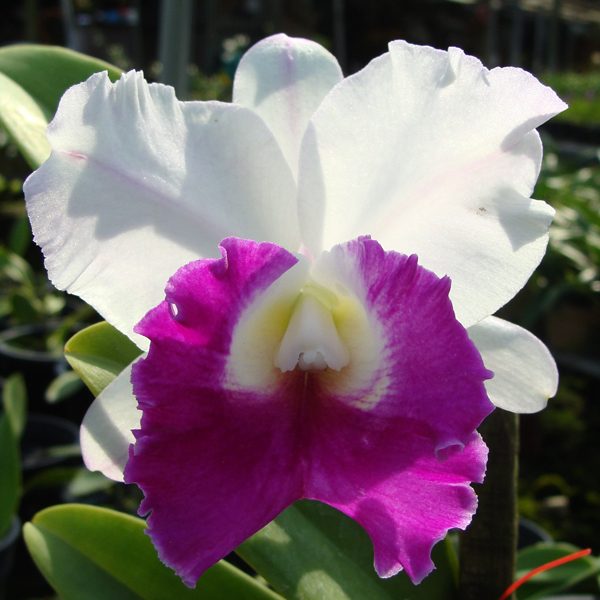
  • C347 · Laeliocattleya Chyung Gun Swan × Laeliocattleya Robert Strait

    C347 · Laeliocattleya Chyung Gun Swan × Laeliocattleya Robert Strait

    Flower numberC347
    NameLaeliocattleya Chyung Gun Swan × Laeliocattleya Robert Strait
    GenusLaeliocattleya
    PropagationMericlone (tissue culture)
    ColourWhite

    As a mericlone, every plant sold under this number is a tissue-culture copy of one selected mother plant, so its flowers should closely match the photo.

    Bought an orchid from us? Flower number C347 is the number on your original listing or plant tag. Look up any other number in the flower number index.

  • OC98 · Degarmoara Flying High ‘Stars n Bars’ HCC/AOS

    OC98 · Degarmoara Flying High ‘Stars n Bars’ HCC/AOS

    Flower numberOC98
    NameDegarmoara Flying High ‘Stars n Bars’ HCC/AOS
    ParentageMiltassia Jetsetter × Onc McNabianum
    GenusDegarmoara
    Library groupOther Genera
    PropagationMericlone (tissue culture)
    AwardsHCC/AOS: Highly Commended Certificate (75-79 points), American Orchid Society · what the letters mean

    As a mericlone, every plant sold under this number is a tissue-culture copy of one selected mother plant, so its flowers should closely match the photo.

    Bought an orchid from us? Flower number OC98 is the number on your original listing or plant tag. Look up any other number in the flower number index.

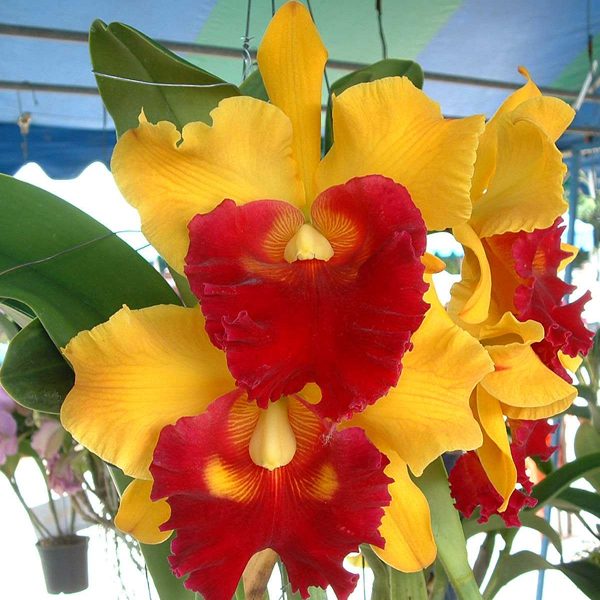
  • BC103 · Brassolaeliocattleya Chun Yeah ‘Yellow Swallow’ AM/OSROC

    BC103 · Brassolaeliocattleya Chun Yeah ‘Yellow Swallow’ AM/OSROC

    Flower numberBC103
    NameBrassolaeliocattleya Chun Yeah ‘Yellow Swallow’ AM/OSROC
    GenusBrassolaeliocattleya
    PropagationMericlone (tissue culture)
    AwardsAM/OSROC: Award of Merit (80-89 points), Orchid Society of the Republic of China (Taiwan) · what the letters mean

    As a mericlone, every plant sold under this number is a tissue-culture copy of one selected mother plant, so its flowers should closely match the photo.

    Bought an orchid from us? Flower number BC103 is the number on your original listing or plant tag. Look up any other number in the flower number index.

  • C272 · Brassolaeliocattleya Bryce Canyon × San Yang Ruby

    C272 · Brassolaeliocattleya Bryce Canyon × San Yang Ruby

    Flower numberC272
    NameBrassolaeliocattleya Bryce Canyon × San Yang Ruby
    GenusBrassolaeliocattleya
    PropagationHybrid

    As a seed-grown hybrid, every plant raised from this cross is genetically unique, so flower colour and shape can vary from the photo.

    Bought an orchid from us? Flower number C272 is the number on your original listing or plant tag. Look up any other number in the flower number index.

  • HV62 · Vanda Chao Praya Sapphire × Vanda Bitz’s Heartthrob

    HV62 · Vanda Chao Praya Sapphire × Vanda Bitz’s Heartthrob

    Flower numberHV62
    NameVanda Chao Praya Sapphire × Vanda Bitz’s Heartthrob
    GenusVanda
    PropagationHybrid

    As a seed-grown hybrid, every plant raised from this cross is genetically unique, so flower colour and shape can vary from the photo.

    Bought an orchid from us? Flower number HV62 is the number on your original listing or plant tag. Look up any other number in the flower number index.

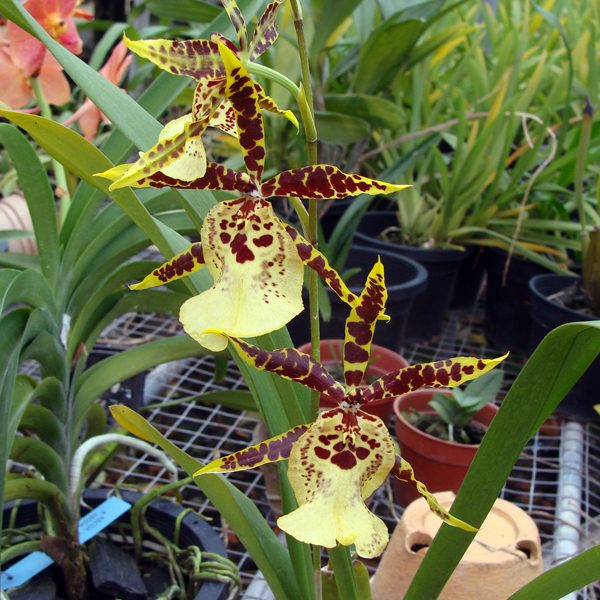
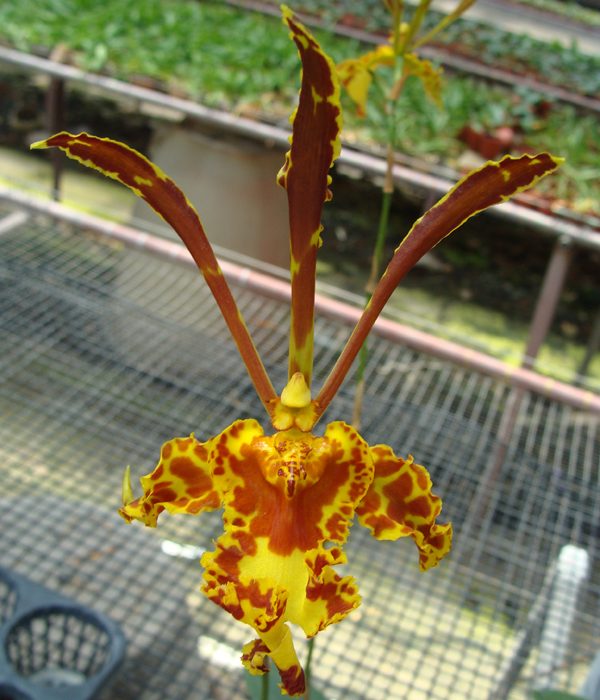
  • OC152 · Psychopsis Mariposa

    OC152 · Psychopsis Mariposa

    Flower numberOC152
    NamePsychopsis Mariposa
    GenusPsychopsis
    Library groupOther Genera
    PropagationMericlone (tissue culture)

    As a mericlone, every plant sold under this number is a tissue-culture copy of one selected mother plant, so its flowers should closely match the photo.

    Bought an orchid from us? Flower number OC152 is the number on your original listing or plant tag. Look up any other number in the flower number index.

  • HM03 · Aranda Prapin Beauty

    HM03 · Aranda Prapin Beauty

    Flower numberHM03
    NameAranda Prapin Beauty
    ParentageAranda Christine × Vanda Rasri Gold
    GenusAranda
    PropagationMericlone (tissue culture)

    As a mericlone, every plant sold under this number is a tissue-culture copy of one selected mother plant, so its flowers should closely match the photo.

    Bought an orchid from us? Flower number HM03 is the number on your original listing or plant tag. Look up any other number in the flower number index.

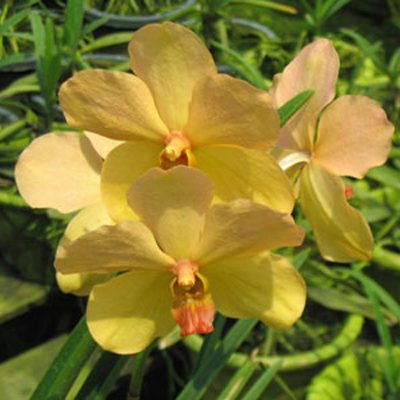
  • KV56 · Vanda Velthius × Ronny Sutong

    KV56 · Vanda Velthius × Ronny Sutong

    Flower numberKV56
    NameVanda Velthius × Ronny Sutong
    GenusVanda
    PropagationMericlone (tissue culture)

    As a mericlone, every plant sold under this number is a tissue-culture copy of one selected mother plant, so its flowers should closely match the photo.

    Bought an orchid from us? Flower number KV56 is the number on your original listing or plant tag. Look up any other number in the flower number index.