Guides
Plain-English orchid guides: growing, hybridising, cloning, awards and the main orchid groups in our library.
-
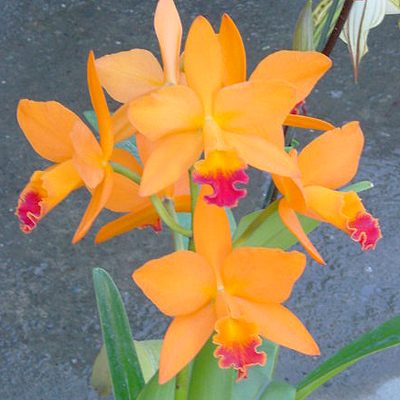
Mericlone or seedling? What your orchid’s label is telling you
A mericlone is a plant that is grown from a tiny piece of tissue taken from a mother plant. This process is called micropropagation or tissue culture. The tissue is cleaned and placed on a special gel that has…
-
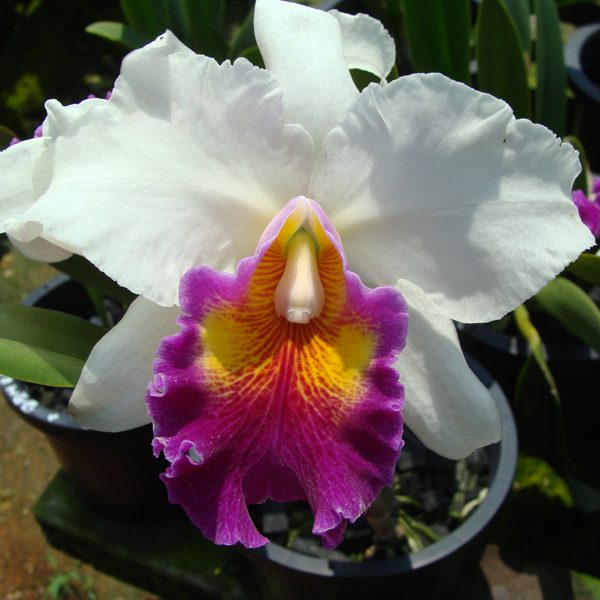
How to read an orchid name: genus, grex, cultivar and awards
An orchid name can look like a long string of words and letters, but each part has a clear purpose. Think of it like a person’s full name: first name, middle name, last name, and maybe some titles or honors after it. In…
-
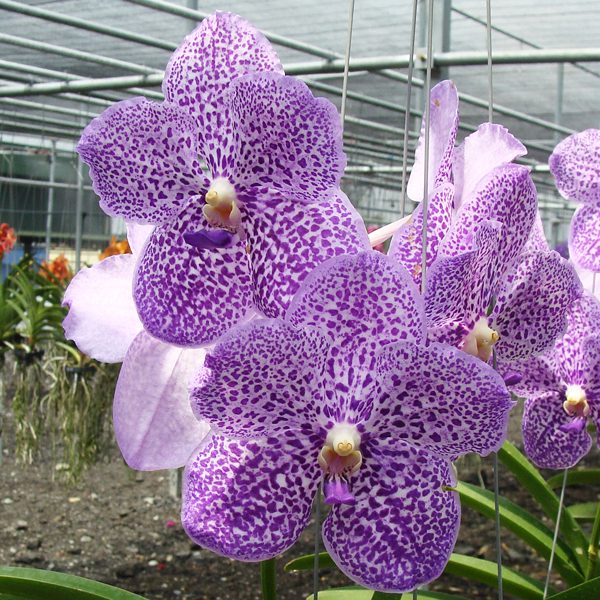
Growing Vanda orchids: light, water and air for strong roots
Vanda orchids grow differently from many common houseplants. They have a single stem that grows upward from the base, with leaves arranged along it. This growth pattern is called monopodial. Unlike some orchids, they do…
-
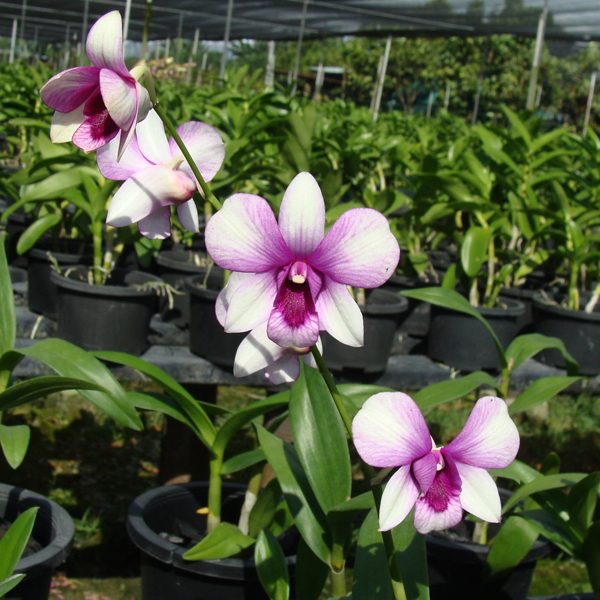
Dendrobium basics: how to keep these orchids flowering
Dendrobium orchids grow in a way that is different from many common houseplants. They are sympodial herbs, which means they grow sideways from a base, producing new shoots as they mature. Each shoot often develops a…
-
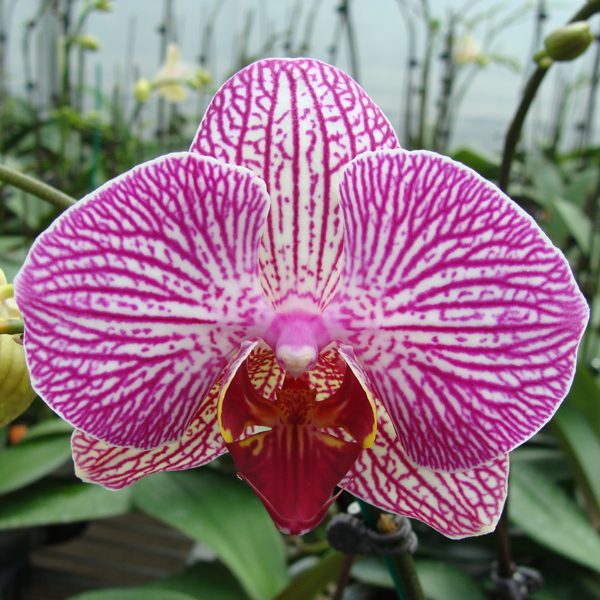
Phalaenopsis at home: the easiest orchid to keep in bloom
Phalaenopsis orchids, often called moth orchids, grow with a single upward stem. Their leaves are thick and leathery, usually arranged in two rows along the stem. The roots are long and coarse, designed to cling to…
-
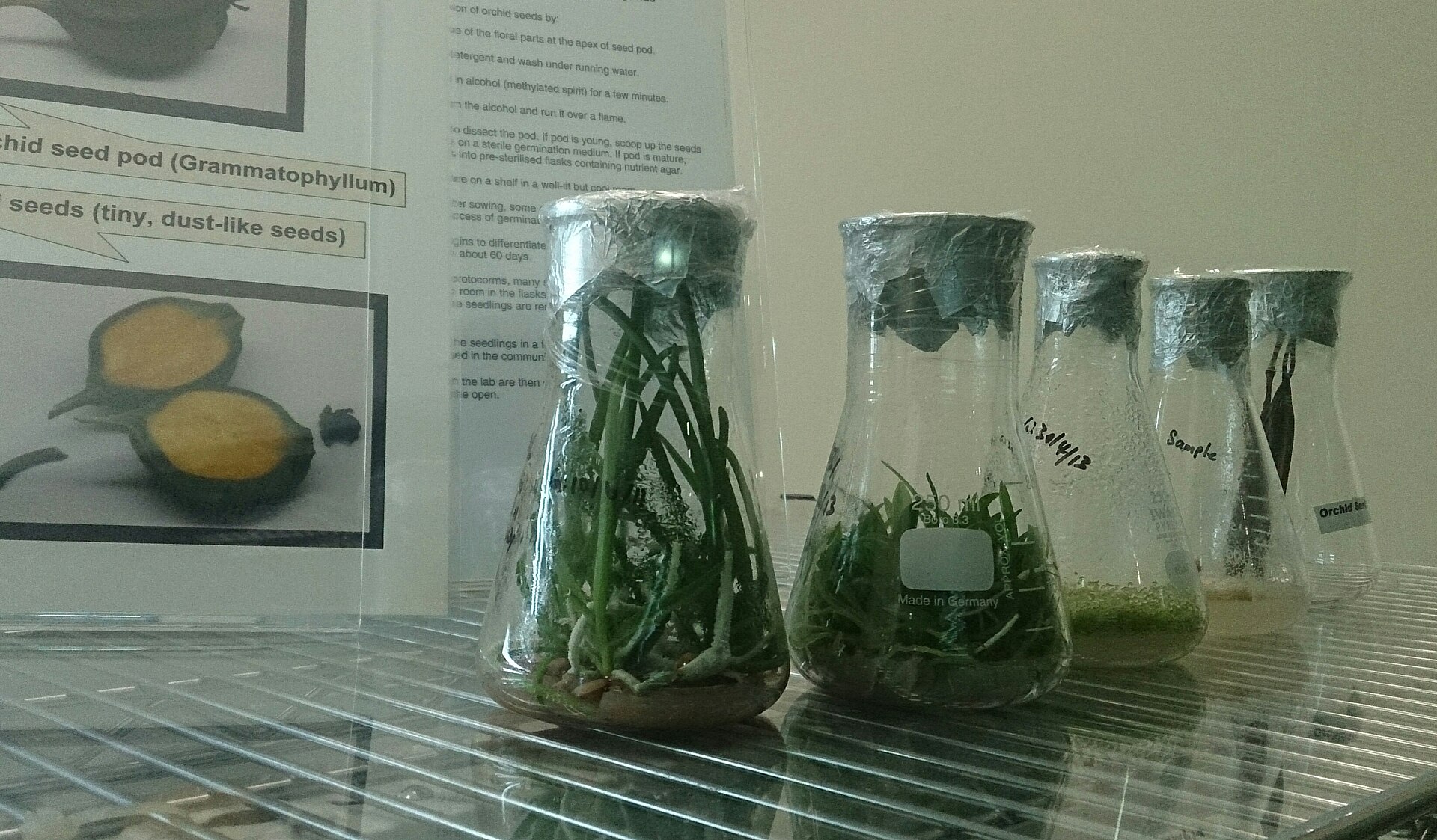
From flask to flower: how a lab-grown orchid reaches your home
The journey of a lab-grown orchid begins in a glass flask under completely sterile conditions. This is where tiny pieces of plant tissue, called explants, are placed on a special growth medium. The explant might be a…
-
Why orchids are grown from seed in glass flasks
Orchid seeds are incredibly tiny, often smaller than a grain of sand. Because they are so small, they contain almost no stored food to support the young plant when it first begins to grow. In the wild, this means the…
-
The mericlone process step by step, from lab to flowering plant
The first step in creating a mericlone is selecting a healthy mother plant. This plant should show strong growth, desirable flowers, and no signs of disease. Growers look for plants that are virus-free and fungi-free…
-
Meristem cloning explained: how one perfect orchid becomes thousands
A meristem is a special kind of plant tissue made up of cells that can keep dividing. These cells are not yet set into a specific role like leaf or root cells. Instead, they stay flexible and ready to become whatever…
-
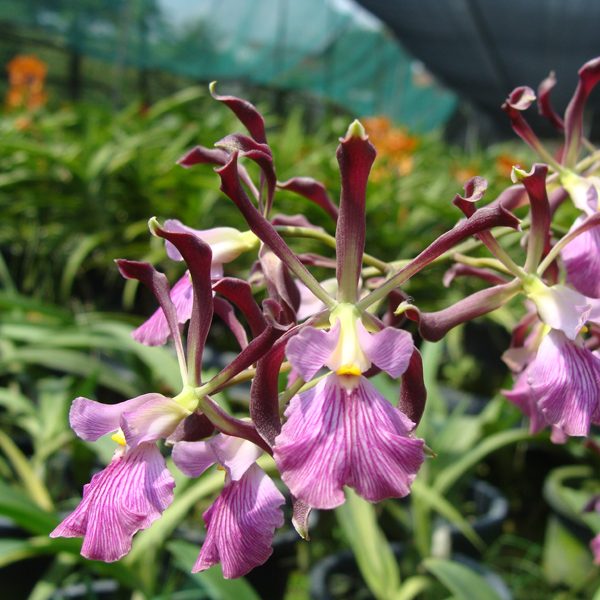
Epidendrum and Brassavola: tough, easy orchids for beginners
Epidendrum is a large group of orchids native to the tropical and subtropical regions of the Americas, ranging from North Carolina down to Argentina. These plants grow in a variety of settings, including on trees…
-
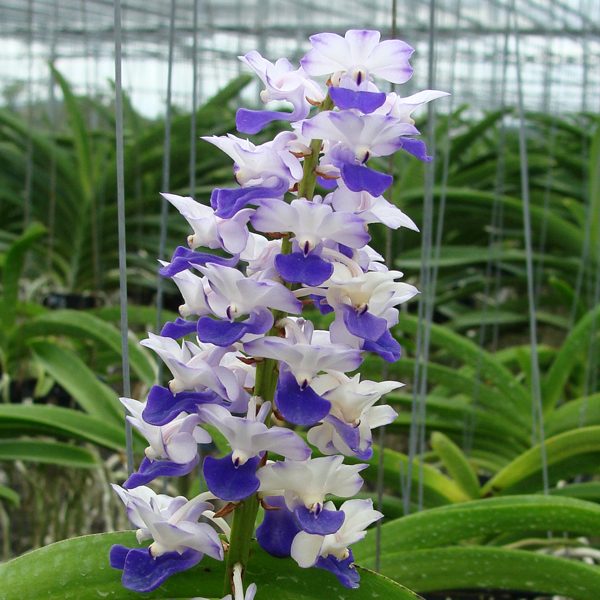
Rhynchostylis and Renanthera: foxtails and fire orchids
Rhynchostylis and Renanthera are two distinct genera of orchids belonging to the orchid family, Orchidaceae. Rhynchostylis is closely related to the Vanda genus and is recognised by its one-lobed lip, a feature that…
-
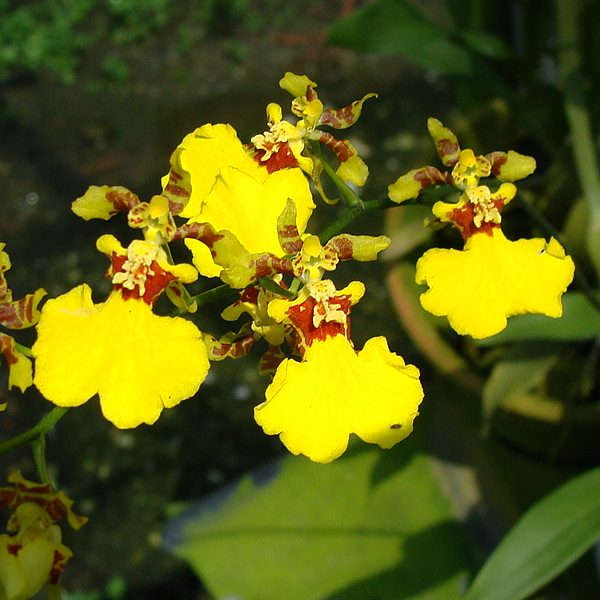
Oncidium: the dancing-lady orchids
Oncidium is a genus of orchids known for their delicate, fluttering flowers that resemble dancing ladies. These plants are native to tropical and subtropical regions of the Americas, ranging from Mexico and Central…
-
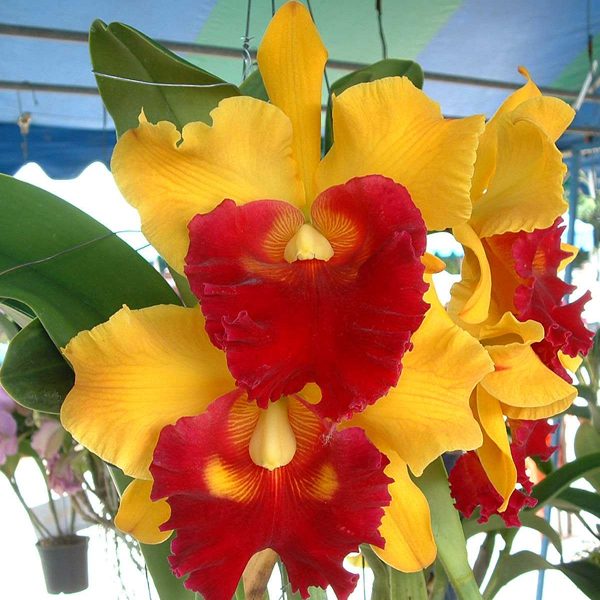
Cattleya hybrids decoded: Blc, Lc, Bc and Potinara
Cattleya hybrids are orchids created by crossing different species or hybrids within the Cattleya alliance. This group includes plants with names starting in Blc, Lc, Bc, and Potinara. These abbreviations stand for…
-
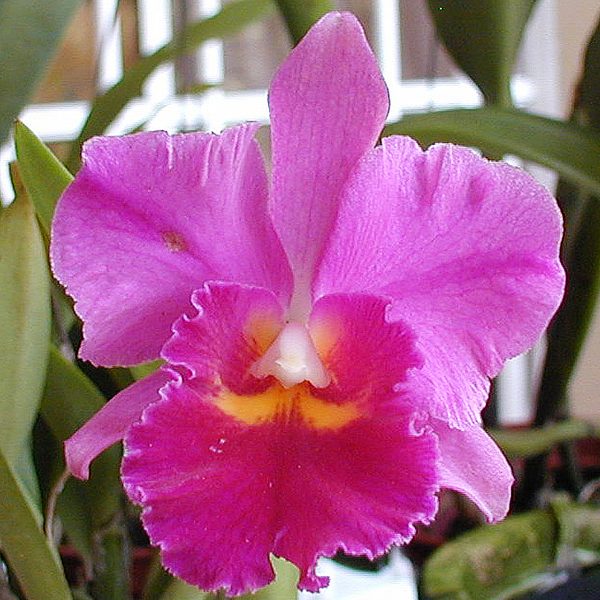
Cattleya: the queen of orchids and its famous awards
Cattleya is a genus of orchids native to regions from Costa Rica down to Argentina. These plants grow either on trees as epiphytes or in the ground as terrestrials. They develop from a cylindrical rhizome that produces…
-
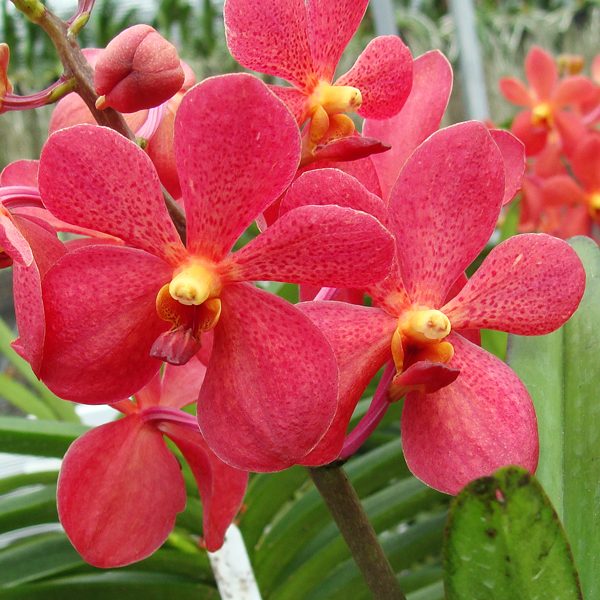
Mokara, Aranda and Kagawara: Southeast Asia’s cut-flower orchids
Mokara, Aranda and Kagawara are hybrid orchids created by crossing different genera. Aranda comes from a cross between Arachnis and Vanda. Mokara involves Arachnis, Ascocenda and Vanda in its background. Kagawara…
-
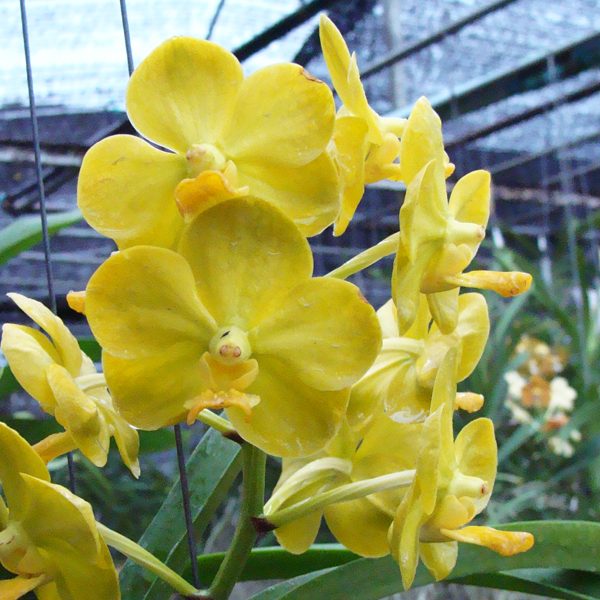
Ascocenda: compact Vanda hybrids with big colour
Ascocenda orchids are human-made hybrids created by crossing plants from the Ascocentrum and Vanda genera. These hybrids combine traits from both parents: the compact growth and vibrant color of Ascocentrum with the…
-
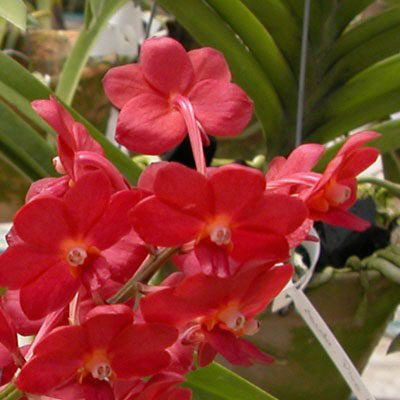
Vanda orchids: history, awards and how to grow them
Vanda orchids belong to a genus in the orchid family known for their showy, fragrant, long-lasting, and intensely colorful flowers. They are monopodial plants, meaning they grow from a single stem with leaves arranged…
-
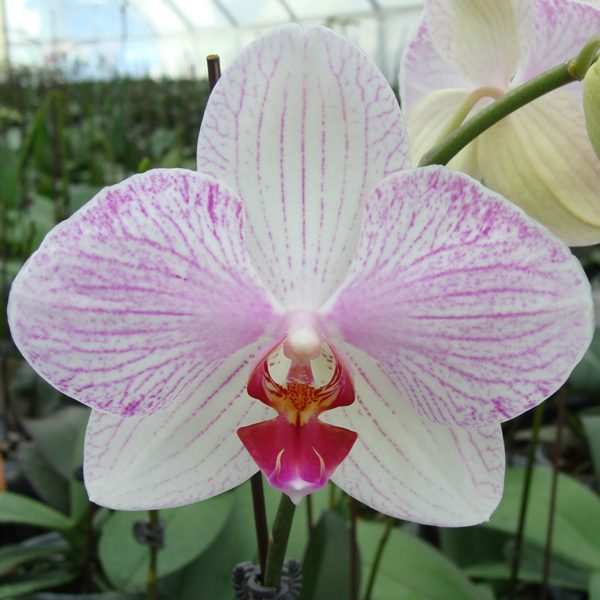
Phalaenopsis and Doritaenopsis: the moth orchids explained
Phalaenopsis and Doritaenopsis are types of orchids commonly called moth orchids. Phalaenopsis is a genus of about seventy species in the Orchidaceae family. These plants are monopodial epiphytes or lithophytes, meaning…
-
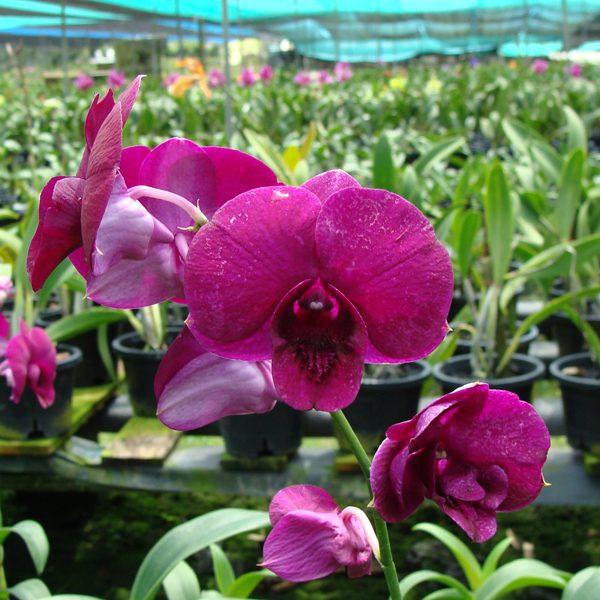
Dendrobium orchids: a grower’s guide to the library’s biggest group
Dendrobium is a large group of orchids that grow on trees or rocks rather than in soil. They are found across a wide area of Asia and the Pacific, including places like China, Japan, India, the Philippines, Indonesia,…