What a Meristem Is
A meristem is a special kind of plant tissue made up of cells that can keep dividing. These cells are not yet set into a specific role like leaf or root cells. Instead, they stay flexible and ready to become whatever the plant needs. Think of them as the plant’s blank slate, found where growth happens, like the tips of shoots and roots. Because they can turn into any type of plant cell, they are the starting point for all new parts of the plant.
Why Meristems Make Perfect Copies
The cells in a meristem are called totipotent, which means each one has the full ability to grow into a complete plant. When a meristem cell divides, one new cell often stays meristematic to keep the supply going, while the other begins to specialize. This process allows the plant to grow longer stems, new leaves, or roots, all from the same source. Because every new plant comes from the same original meristem cell and follows the same genetic instructions, the result is an exact copy of the parent plant.
How Growers Start the Process
To begin meristem cloning, a grower picks a healthy mother plant that shows the traits they want to keep—like flower color, shape, or strength. From this plant, they take a tiny piece of tissue, often just the very tip of a shoot where the meristem is active. This piece, called an explant, is usually no bigger than a pinhead. It is removed under clean conditions to avoid contamination.
Keeping It Sterile
The explant must be free of microbes, so it goes through a careful cleaning process. It is washed in diluted bleach and alcohol, then rinsed with sterile water. This step removes fungi, bacteria, and viruses that could grow in the culture and ruin the batch. Only after this is the explant considered clean enough to place on the nutrient medium.
Feeding the Cells
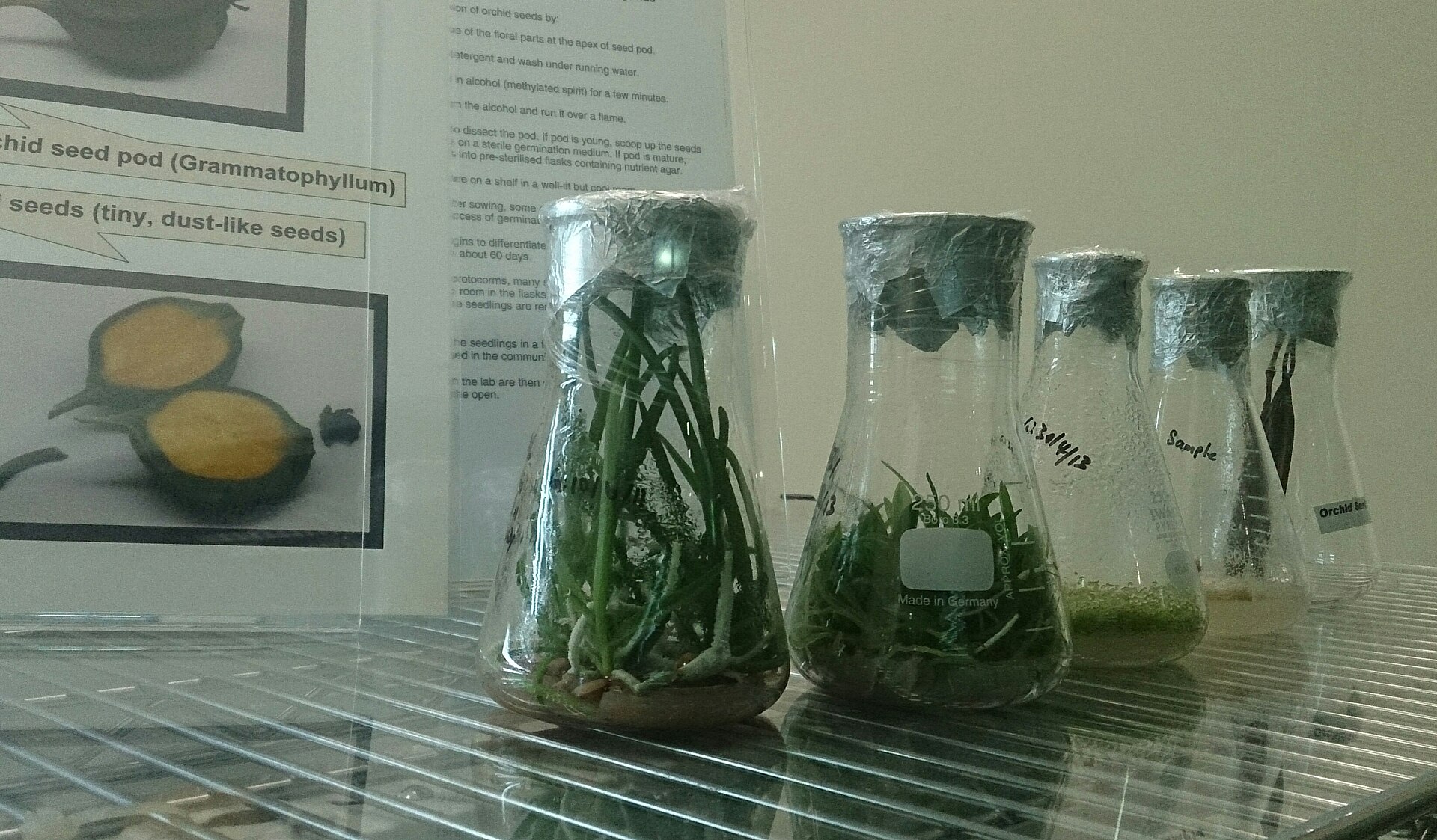
The cleaned explant is placed on a gel-like substance made from water, minerals, sugar, and plant hormones. This medium acts as food and instructions for the cells. The sugar gives energy, the minerals support cell function, and the hormones guide whether the cells multiply or start forming roots and shoots. The gel, often made from agar, holds everything in place so the tissue doesn’t fall over as it grows.
Multiplying the Tissue
Once the explant starts to grow, it forms small shoots. These are cut apart and placed back on fresh medium to grow more. Each cycle can turn one shoot into several. By repeating this step, a single tiny tip can produce dozens, then hundreds, and eventually thousands of plantlets. All of them carry the exact same genes as the original meristem cell.
Growing Roots and Preparing for Soil
After enough shoots have formed, they are moved to a different medium that encourages root development. This stage often uses a higher balance of certain hormones to signal the plantlets to grow roots. Once roots appear, the plantlets begin a hardening process. They are gradually exposed to less humid, more natural conditions so they can survive outside the sterile container.
Moving to the Real World
When the plantlets have strong roots and can handle normal air and light, they are ready to be potted in soil. At this point, they look like small versions of the mother plant. Because they were grown from meristem tissue under controlled conditions, they are true clones—identical in genetics and, if raised the same way, in appearance and behavior. This method allows growers to produce large numbers of premium orchids quickly and reliably, without relying on seeds or pollinators.
Selection of Mother Plant
The process begins with choosing a healthy plant free of viruses and fungi to ensure the production of vigorous plantlets. Explants such as stem tips, anthers, petals, or pollen are collected from the mother plant under sterile conditions. The type of tissue used depends on the species and the goals of propagation.
Multiplication Stage
>After the explant is placed on a nutrient medium containing agar, sugars, and plant hormones, it begins to grow. The meristematic cells divide rapidly, forming small shoots. These shoots are then cut and transferred to fresh medium to encourage further multiplication. Each cycle increases the number of shoots, allowing one initial explant to generate dozens, hundreds, or even thousands of genetically identical plantlets over time.
Rooting and Acclimatization
Once sufficient shoot growth is achieved, the plantlets are moved to a medium that promotes root development, often with adjusted hormone levels. After roots form, the plantlets undergo acclimatization, where they are gradually introduced to lower humidity and normal light conditions to prepare them for survival outside the sterile culture environment.
Transfer to Soil
When the plantlets have developed strong roots and can withstand normal atmospheric conditions, they are potted in soil. At this stage, they resemble miniature versions of the parent plant. Because they are derived from meristematic tissue and grown under controlled conditions, they are true genetic clones of the original plant, ensuring uniformity in traits such as flower color, growth habit, and vigor—particularly valuable for premium orchid production.
Sources
Based on: Wikipedia · Wikipedia · Wikipedia. Written and checked by the Orkpedia editors.